Top 10 Tips for Extending Your Car’s Lifespan
Vehicle longevity is influenced by a combination of care routines, environmental conditions, and driving patterns. While no single action guarantees an extended lifespan, consistent attention to certain maintenance practices can help maintain a car’s condition over time. The following sections explore methods that many automotive professionals consider relevant for preserving a vehicle’s performance and reliability.
Key areas such as fluid management, tire care, and regular inspections are often discussed in the context of preventive maintenance. Each of these areas involves specific processes that, when followed regularly, may contribute to reducing the likelihood of premature wear. The guidelines presented here are based on general industry knowledge and are intended to inform owners about common approaches to vehicle care.
It is important to note that every vehicle operates under unique circumstances. Factors such as climate, road conditions, and usage patterns can influence how a car responds to maintenance efforts. The tips outlined below are not a guarantee of outcomes but rather a framework for thoughtful upkeep.
Engine and Fluid Maintenance
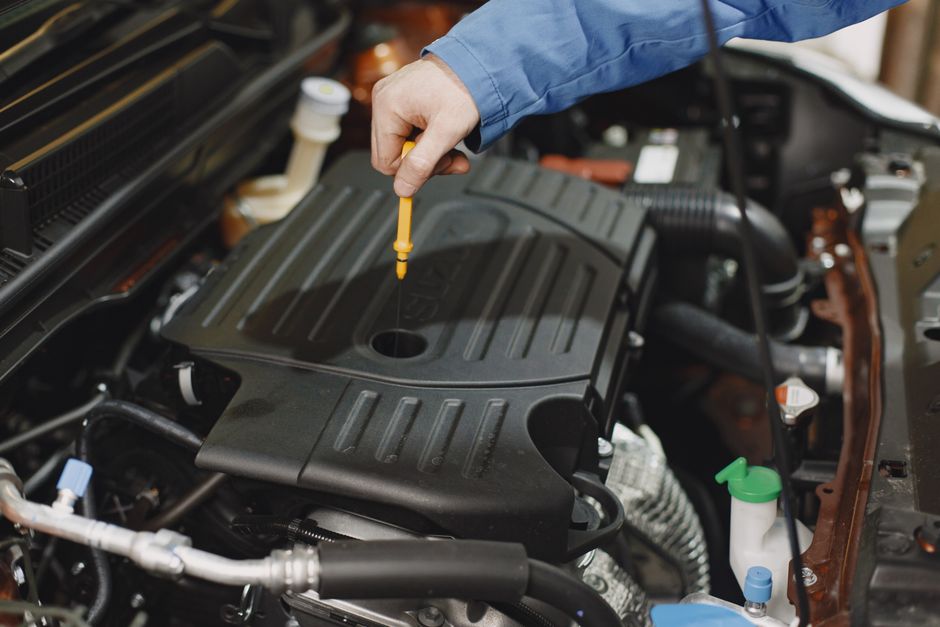
Engine care is often considered the foundation of vehicle longevity. One of the most discussed practices involves regular oil changes. Engine oil lubricates moving parts, reduces friction, and helps carry away heat. Over time, oil breaks down and becomes less effective. Following the manufacturer’s recommended oil change intervals, which are typically based on mileage or time, can help maintain proper lubrication. Using the correct oil grade and type for the specific engine is also part of this process.
In addition to oil, other fluids require periodic attention. Coolant, for example, regulates engine temperature and prevents corrosion. Transmission fluid enables smooth gear shifts, while brake fluid maintains hydraulic pressure in the braking system. Checking fluid levels and conditions according to the vehicle’s maintenance schedule supports the proper function of these systems. A visual inspection of hoses and belts during fluid checks can also reveal potential issues before they lead to more significant problems.
Tire Condition and Pressure
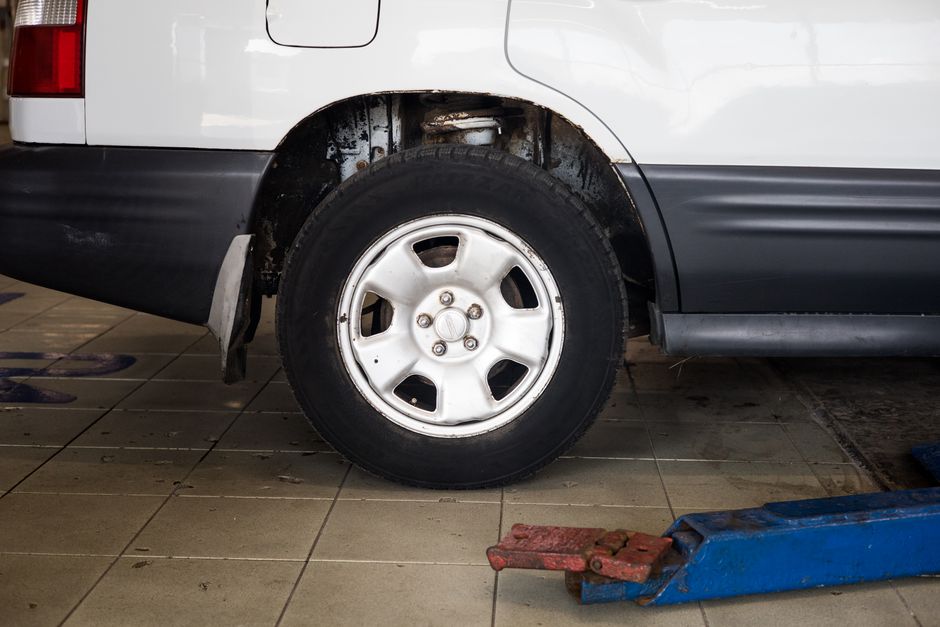
Tires are the only point of contact between the vehicle and the road, making their condition directly relevant to safety and efficiency. Maintaining proper tire pressure is a straightforward process that can influence handling, fuel economy, and tread wear. Pressure should be checked when tires are cold, using the recommended values found in the owner’s manual or on a sticker inside the driver’s door. Underinflated or overinflated tires can lead to uneven wear and reduced traction.
Tire rotation is another common practice. Rotating tires at regular intervals—often every 5,000 to 7,000 miles—allows tread to wear more evenly across all four positions. This can extend the usable life of a set of tires. Wheel alignment and balancing are separate procedures that address steering stability and vibration. While alignment affects how tires meet the road, balancing ensures that weight is distributed evenly. Both should be checked when signs of uneven wear or pulling are noticed.
Regular Inspections and Component Checks
Scheduled inspections provide an opportunity to identify wear and tear early. Many vehicles come with a maintenance schedule that outlines when certain components should be examined. This often includes air filters, spark plugs, and drive belts. A clogged air filter can restrict airflow to the engine, potentially affecting performance. Replacing it at recommended intervals is a relatively simple task that supports engine efficiency.
Brake components, including pads, rotors, and fluid, should be inspected periodically. Brake pads wear down over time, and driving habits as well as environmental conditions influence how quickly this occurs. When pads become thin, they may need replacement to maintain effective stopping power. Listening for unusual noises or feeling changes in pedal response can be indicators that a brake inspection is warranted. Similarly, suspension parts such as shocks and struts can affect ride comfort and handling; regular checks can help detect leaks or damage early.
Driving Habits and Storage Practices
How a vehicle is driven on a daily basis can affect its overall condition. Smooth acceleration and gentle braking reduce stress on the engine, transmission, and brakes. Avoiding harsh starts and stops may help components last longer. Letting the engine warm up for a short period before driving, especially in colder climates, allows oil to circulate properly. However, prolonged idling is generally not recommended as it can cause unnecessary wear.
Short trips that do not allow the engine to reach full operating temperature can lead to moisture accumulation in the oil and exhaust system. When possible, combining short errands into longer drives may help the engine operate more efficiently. Storing the vehicle in a garage or under a cover protects it from sun, rain, and extreme temperatures, which can affect paint, rubber seals, and interior materials. For vehicles that are not driven frequently, using a battery maintainer can help keep the battery charged and ready.
Battery and Electrical System Care
The battery provides the electrical power needed to start the engine and run accessories. Battery terminals should be kept clean and free of corrosion, which can impede electrical flow. Checking the battery’s voltage and load capacity periodically can help determine if it is still functioning within acceptable parameters. Extreme temperatures, both hot and cold, can affect battery performance and lifespan.
Other electrical components, such as alternators, starters, and lighting systems, also benefit from occasional inspection. Flickering lights or slow engine cranking can indicate underlying issues. Keeping the battery securely fastened prevents vibration damage. For vehicles equipped with modern electronics, ensuring that software updates are applied when recommended by the manufacturer can also contribute to system reliability. Routine electrical checks are often included in comprehensive maintenance visits.
Brake and Suspension System Longevity
Brake systems require ongoing attention to remain effective. In addition to pad and rotor wear, brake fluid should be replaced according to the manufacturer’s schedule because it absorbs moisture over time, which can reduce braking performance and cause internal corrosion. Flushing the brake system periodically helps maintain hydraulic integrity.
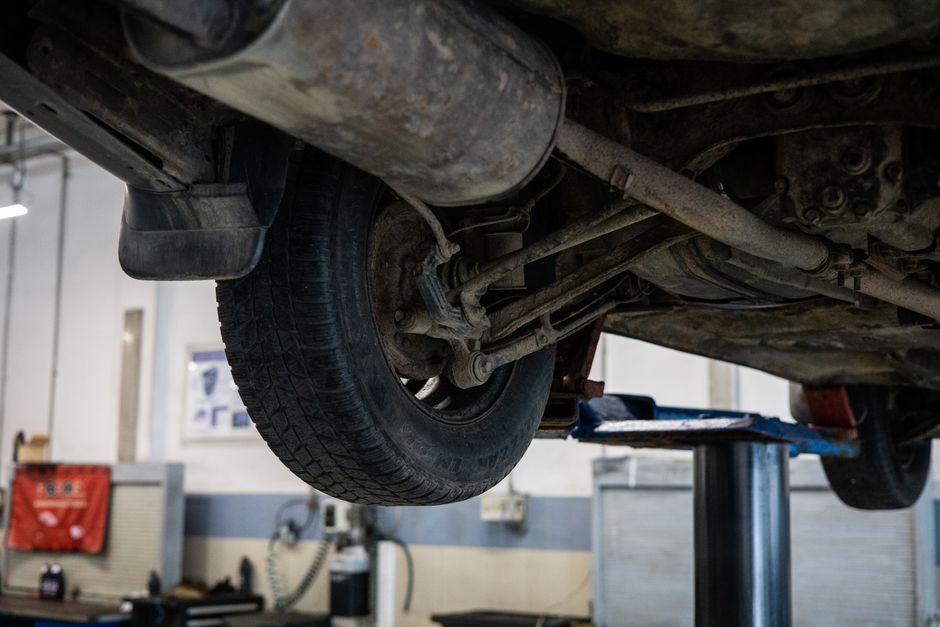
Suspension components, including control arms, bushings, and strut mounts, endure constant stress during driving. Worn suspension can lead to uneven tire wear, reduced steering precision, and a rougher ride. Having suspension inspected when replacing tires or during routine service allows for early detection of issues. It is worth noting that the longevity of these parts depends on road quality and load conditions. Proper wheel alignment, as mentioned earlier, also supports suspension health.