How to Master Basic Knife Cuts for Faster Cooking
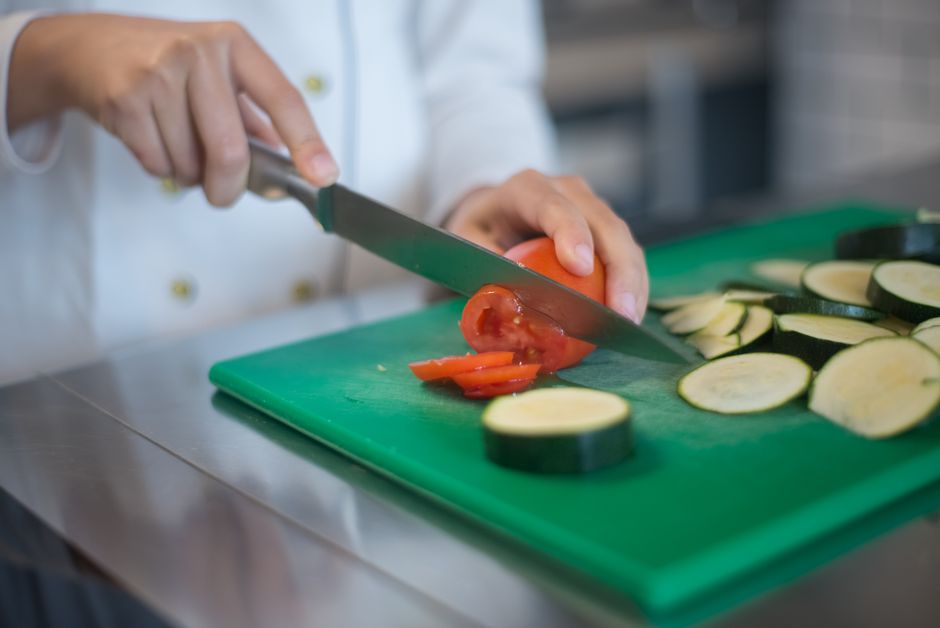
Mastering basic knife cuts is a foundational skill that can transform your cooking experience. It involves understanding a few core techniques that, when practiced, can lead to more efficient preparation and consistent results in the kitchen. Whether you are a beginner or looking to refine your skills, focusing on the fundamentals can make a significant difference in how you approach recipes and handle ingredients.
In this article, we will explore four fundamental knife cuts: the slice, the dice, the julienne, and the chiffonade. Each cut serves a specific purpose and can affect cooking time and texture. By learning these techniques, you can improve your prep speed and achieve more even cooking, which can enhance the overall quality of your dishes. Practice and safety are key, so we will also cover tips to help you build confidence and avoid common pitfalls.
Remember that knife skills develop over time with consistent practice. It is important to start slowly, focus on technique, and prioritize safety. As you become more comfortable, you may find that these cuts become second nature, allowing you to navigate recipes with greater ease and enjoyment.
The Slice: Building Your Foundation
The slice is one of the most basic knife cuts and serves as the building block for many other techniques. It involves cutting food into flat, uniform pieces by moving the knife in a forward and downward motion. This cut is commonly used for vegetables like onions, carrots, and potatoes, as well as proteins. The thickness of the slice can vary depending on the recipe, but maintaining consistency is crucial for even cooking.
To execute a proper slice, start by stabilizing the food with a claw grip—curling your fingertips inward and using your knuckles as a guide for the knife. This grip protects your fingers and allows for controlled cuts. The knife should be sharp; a dull blade requires more pressure and can slip, increasing the risk of injury. Hold the knife with a pinch grip, where your thumb and index finger grip the blade near the handle, and your remaining fingers wrap around the handle. This provides better control and reduces fatigue.
Practice slicing with firm, fluid motions rather than sawing back and forth. Let the knife do the work; you should not need to apply excessive force. For beginners, it may help to start with softer items like mushrooms or zucchini before moving to denser vegetables. As you gain confidence, you can adjust the thickness of your slices to suit different dishes, such as thin slices for stir-fries or thicker slices for roasting. Remember that uniform slices cook at the same rate, which can prevent some pieces from burning while others remain undercooked.
The Dice: Precision and Uniformity
Dicing is a cut that produces cube-shaped pieces of a specific size. It is often used for onions, bell peppers, and root vegetables. The dice can range from large (about ¾ inch) to small (about ¼ inch) or even fine (about ⅛ inch). The goal is to create uniform cubes so that they cook evenly and integrate seamlessly into dishes like soups, stews, and salsas. Dicing requires a bit more precision than slicing, but with practice, it becomes a rhythmic and efficient process.
To dice, start by cutting the food into slices of the desired thickness. Then stack a few slices and cut them into strips (often called batons), and finally cut across the strips to create cubes. For round vegetables like onions, you may need to make horizontal cuts before dicing to ensure even pieces. A sharp knife is essential here, as it allows you to make clean cuts without crushing the food. Crushed or bruised pieces can release moisture and affect the texture of the final dish.
When dicing, keep your guiding hand in the claw position and move it back slightly after each cut. This ensures that your fingertips are never in the path of the blade. Work at a steady pace, focusing on consistency rather than speed. Speed will come naturally as your muscle memory develops. It is also helpful to cut flat surfaces on irregular items so they sit stable on the cutting board. For example, cut a thin slice off the bottom of an onion or potato to create a stable base.
Dicing can be time-consuming at first, but it is a valuable skill that can streamline your cooking. Many recipes call for diced ingredients, and having them uniformly cut can improve the presentation and texture of your meals. As you practice, you may find that you can dice an onion or pepper in a fraction of the time it used to take, making meal prep more enjoyable and efficient.
The Julienne: Thin Strips for Quick Cooking
The julienne cut, also known as matchstick cut, produces thin, elongated strips that are typically about 2 inches long and ⅛ inch thick. This cut is ideal for vegetables that cook quickly, such as carrots, cucumbers, and bell peppers. Julienned vegetables are often used in stir-fries, salads, and garnishes. Because they are thin, they cook rapidly and can absorb flavors more readily, making them a favorite in many cuisines.
To julienne, first cut the vegetable into thin slices of uniform thickness. Then stack a few slices and cut them into thin strips. For harder vegetables like carrots, you may need to cut them into manageable lengths first. The key is to maintain even thickness so that the strips cook at the same rate. A sharp knife and a steady hand are important; any hesitation can lead to uneven strips. Some cooks use a mandoline for consistent julienne cuts, but with practice, a knife can achieve similar results.
Julienning can be a bit tricky for beginners because it requires precise control. Start with softer vegetables like zucchini or cucumbers before moving to denser ones. As you practice, you will develop a feel for the angle and pressure needed to create perfect strips. Consistent practice can help you improve your speed and accuracy. Julienned vegetables not only cook quickly but also add a visually appealing element to dishes, often creating a sense of lightness and freshness.
In addition to vegetables, the julienne cut can be used for proteins like chicken or beef for stir-fries. However, it is important to partially freeze the meat first to firm it up, making it easier to cut thin strips. Always use a sharp knife and follow food safety guidelines when handling raw meat. Once you master the julienne, you can incorporate it into a variety of recipes, from Asian noodles to French salads.
The Chiffonade: Fine Ribbons for Herbs and Greens
The chiffonade is a technique used to cut leafy greens and herbs into thin ribbons. It is commonly used for basil, mint, spinach, and kale. This cut is excellent for garnishes or for incorporating herbs into dishes without releasing too much moisture or bruising the leaves. Chiffonade comes from the French word for “made of rags,” referring to the ribbon-like strips. It is a delicate cut that requires a sharp knife and a gentle touch.
To chiffonade, stack several leaves, roll them tightly into a cylinder, and then slice thinly across the roll. The result is fine, uniform ribbons. For larger leaves like kale, you may need to remove the tough stems first. It is important to use a sharp knife to avoid tearing or crushing the leaves, which can cause discoloration and loss of flavor. A dull knife will bruise the herbs, leading to blackened edges and a less appealing appearance.
Chiffonade is best done just before serving, as cut herbs can wilt quickly. This technique is often used as a finishing touch for soups, pasta, and pizzas. It can also be used for lettuce in wraps or sandwiches. Practicing chiffonade helps develop a light touch and precision, as the leaves are delicate and require careful handling. As you become more comfortable, you can experiment with different herbs and greens to add color and flavor to your dishes.
Remember that chiffonade is not just for herbs; you can also use it for leafy greens like spinach or Swiss chard to create fine strips for salads or sautéing. The key is to roll the leaves tightly and slice evenly. With practice, you can achieve beautiful, uniform ribbons that enhance both the taste and presentation of your meals.
Practice Tips for Building Confidence and Safety
Building knife skills takes time and patience. It is important to prioritize safety and practice regularly to develop muscle memory. Start with a sharp knife and a stable cutting board. A dull knife is more dangerous than a sharp one because it requires more pressure and can slip. Always cut on a non-slip surface, such as a damp towel under the cutting board, to prevent accidents.
Focus on your grip and posture. Hold the knife with a pinch grip and keep your guiding hand in a claw shape. Stand with your feet shoulder-width apart and keep your cutting area organized. Cut at a comfortable pace; speed will come with repetition. It is better to be accurate and slow than fast and careless. Practice each cut on a variety of ingredients to build versatility. For example, practice slicing carrots, dicing onions, julienning peppers, and chiffonading basil.
Another helpful tip is to start with softer foods and gradually move to harder ones. Soft foods like mushrooms or zucchini are more forgiving and allow you to focus on technique without struggling to cut through. As you gain confidence, you can tackle denser vegetables like potatoes and carrots. It is also beneficial to watch instructional videos or take a class to see proper technique in action. Harvest Table encourages home cooks to embrace the learning process and enjoy the journey of improving their culinary skills.
Finally, maintain your knives regularly. Honing the blade before each use can help keep it sharp, and periodic sharpening ensures optimal performance. Store knives safely in a block or on a magnetic strip to prevent damage. With consistent practice and attention to safety, you can master these basic cuts and enjoy faster, more efficient cooking.