Meal Prep Strategies for Busy Weeknights
For many households, weeknights can feel like a race against the clock. Between work, family commitments, and other responsibilities, finding the time and energy to prepare a balanced dinner from scratch often seems unrealistic. As a result, takeout or quick convenience foods may become the default choice, even when there is a desire to cook at home. However, with some strategic planning and a few practical methods, it is possible to streamline the dinner process and create more opportunities for balanced meals during the week.
This article explores meal prep strategies that focus on batch cooking and smart ingredient preparation. These approaches are designed to be flexible and adaptable, allowing individuals and families to adjust them according to their schedules, preferences, and dietary needs. The emphasis is on methodology and process, rather than prescribing specific outcomes. By understanding the underlying principles, readers can make informed decisions about how to integrate these strategies into their own routines.
It is important to note that meal prep is not a one-size-fits-all solution. Factors such as available storage space, cooking equipment, and personal taste all play a role in determining what works best. The information provided here is intended to serve as a general framework, and any changes to dietary habits should be considered in consultation with appropriate professionals when necessary.
Understanding the Core Principles of Meal Prep
At its foundation, meal prep involves planning and preparing food in advance to reduce the effort required at mealtime. The goal is not necessarily to have every meal fully cooked and portioned, but rather to create components that can be quickly assembled or finished on a busy evening. This distinction is important because it allows for greater variety and freshness, while still saving time.
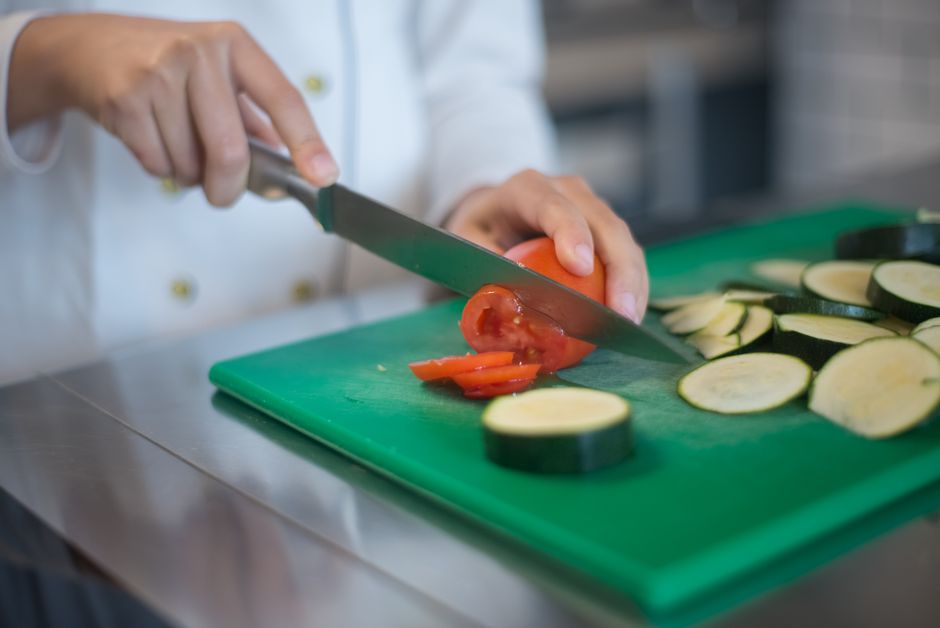
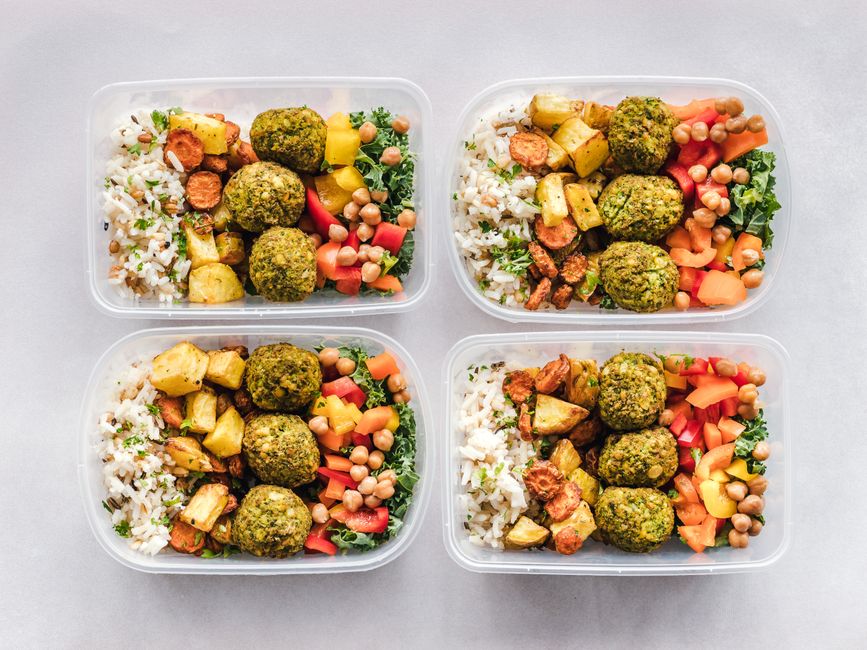
Batch cooking is one common method, where larger quantities of a single dish or ingredient are prepared at once and then divided into smaller portions for later use. For example, cooking a large pot of grains, roasting a sheet pan of vegetables, or grilling several proteins can provide the foundation for multiple meals. Smart ingredient prep, on the other hand, focuses on washing, chopping, and storing raw ingredients so they are ready to cook. This might include slicing vegetables, marinating proteins, or preparing sauces and dressings.
Both approaches aim to minimize decision fatigue and physical effort during the week. By front-loading some of the work, individuals can reduce the likelihood of opting for less balanced options due to time constraints. It is also worth noting that these methods are scalable; they can be adapted for a single person or a large family, and they can be adjusted based on how much time is available for prep on any given day.
Meal prep is less about rigid rules and more about creating a system that supports consistent, balanced eating.
Planning Your Week: Menus and Shopping Lists
Effective meal prep begins with a plan. Without a clear idea of what will be eaten, it is easy to purchase ingredients that go unused or to fall back on impulsive choices. A weekly menu does not need to be elaborate; it can be as simple as sketching out three to four dinner ideas that share common ingredients or cooking methods.
When planning, consider the balance of the meals. A balanced dinner typically includes a source of protein, vegetables, and a whole grain or starchy vegetable, along with a source of healthy fat. This combination can help provide sustained energy and satisfaction. However, individual nutritional needs vary, and what constitutes a balanced meal can differ from person to person. The key is to think about variety and moderation over the course of the week rather than aiming for perfection at every meal.
Once the menu is set, a shopping list can be created to streamline grocery shopping. Organizing the list by sections of the store—produce, proteins, pantry items, and so on—can make the trip more efficient. It is also helpful to check what is already on hand to avoid duplicate purchases. Buying in bulk for items that will be used across multiple meals can be cost-effective, but it is important to have a plan for using those items before they spoil.
For those who are new to meal prep, starting with a two- or three-day plan rather than a full week may be more manageable. This allows for adjustments based on what works well and what does not. Over time, the planning process can become more intuitive and can be tailored to fit changing schedules and preferences.
Batch Cooking Techniques for Efficiency
Batch cooking involves preparing larger quantities of food in one session, which can then be portioned and stored for future meals. This method is particularly useful for components that hold up well in the refrigerator or freezer, such as soups, stews, casseroles, and cooked grains. By investing a few hours on a weekend or a less busy evening, individuals can create a stash of ready-to-eat or ready-to-reheat options.
One effective approach is to cook a base protein, such as chicken, ground meat, or beans, and then use it in different ways throughout the week. For example, shredded chicken can be added to salads, wraps, or soups. Similarly, a large batch of roasted vegetables can serve as a side dish, be mixed into pasta, or be used as a topping for grain bowls. This versatility helps prevent meal fatigue and reduces the need to cook from scratch each night.
Another technique is to prepare multiple meals simultaneously using the oven or stovetop. Sheet pan dinners, where protein and vegetables are roasted together on a single pan, are a popular option because they require minimal hands-on time. Alternatively, using a slow cooker or pressure cooker can allow food to cook while other tasks are being done. It is important to follow safe food handling and storage guidelines to ensure that prepared food remains safe to eat.
When batch cooking, consider portion sizes and storage containers. Dividing food into individual or family-sized portions can make it easier to grab what is needed without thawing or reheating more than necessary. Labeling containers with the date and contents can help with organization and reduce waste. While batch cooking can save time, it is also flexible; not every meal needs to be pre-cooked. Sometimes, simply having prepped ingredients ready to cook is enough.
Smart Ingredient Prep and Storage
Smart ingredient prep is about doing a little work upfront to make cooking during the week faster and more enjoyable. This can include washing and chopping vegetables, marinating proteins, cooking grains, and preparing sauces or dressings. These tasks can be done in short bursts or as part of a larger prep session, depending on available time.
Proper storage is crucial for maintaining the quality and safety of prepped ingredients. Different foods require different storage conditions. For example, cut vegetables like carrots and bell peppers can be stored in airtight containers in the refrigerator, while leafy greens benefit from being wrapped in paper towels or stored in a container with a breathable lid. Proteins should be stored in the coldest part of the refrigerator and used within a safe timeframe. It is advisable to consult food safety resources for specific guidelines.
Having a well-organized refrigerator and pantry can also support smart prep. Keeping frequently used items within easy reach and grouping similar items together can reduce the time spent searching for ingredients. It can also help in keeping track of what needs to be used first, which can minimize waste. For those with limited space, creative solutions such as stackable containers or shelf risers can maximize storage capacity.
In addition to physical storage, it is helpful to have a system for tracking what has been prepped and what needs to be used. A simple list on the refrigerator or a digital note can serve this purpose. This can prevent ingredients from being forgotten and can inform last-minute meal decisions. As with any system, it may take some experimentation to find what works best for a given household.
Adapting Meal Prep to Different Lifestyles
Meal prep is not a rigid regimen; it can be adapted to fit a variety of lifestyles and dietary preferences. For some, a fully prepped week of meals works well, while for others, a more flexible approach with prepped components is more sustainable. The key is to identify the level of preparation that aligns with available time, energy, and cooking skills.
Individuals with dietary restrictions or specific health goals may need to modify their approach. For example, those following a low-carb diet might focus on preparing proteins and non-starchy vegetables, while those with a plant-based diet might batch cook beans, lentils, and whole grains. It is always advisable to consult with a qualified healthcare provider or registered dietitian before making significant changes to eating habits, especially if there are underlying health conditions.
Households with children may find that involving family members in the prep process can be both educational and time-saving. Even young children can help with simple tasks like washing vegetables or stirring ingredients. This can also foster a sense of ownership and increase the likelihood that they will try new foods. However, every family is different, and what works for one may not work for another.
Finally, it is important to remember that meal prep is a tool, not a mandate. There may be weeks when prep is not possible, and that is okay. The goal is to create a supportive framework that can be returned to when circumstances allow. By focusing on processes and flexibility, individuals can develop a approach that supports their overall well-being without adding undue stress.